

Cart
0
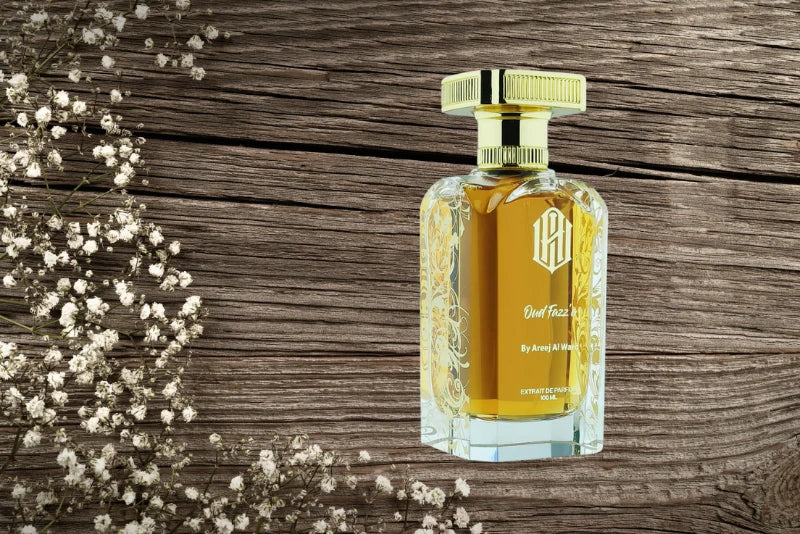
Shut your eyes. Imagine the deep, enigmatic core of an old forest. The smell of damp ground, old wood, and something uncommon, deep, and almost animal-like permeates the air; it is like history itself. This is the realm of oud, the most valuable and fascinating component used in fragrance today.
However, what precisely is oud? Is it made of wood? A resin? And why does a little bottle often fetch a price that is comparable to that of mature whiskey or excellent champagne?
Let's solve the puzzle.
The Origin Story: The Gorgeous Flaw of Nature
Oud, sometimes written Aoud or Oudh, is more than just a crop. A crisis gives rise to it.
The tall, modest Agarwood tree (Aquilaria), which is indigenous to Southeast Asian jungles, is its source. This healthy tree fights back when a particular kind of mold (Phialophora parasitica) infects it. The tree creates a dark, thick, fragrant resin to fend off the illness in a magnificent act of self-preservation. The tree's scar tissue, or resin-saturated heartwood, is called oud.
It's a lyrical beginning: one of the most beloved smells in the world emerges from wounds. No infection, no oud. The first foundation of its legendary status is this rarity.
The Alchemy of Extraction: From Forest to Fragrance
The charm of agarwood, a sticky wood, is difficult to release. It needs to go through a process of transformation:
1. Harvesting: The healthy, light wood is carefully separated from the sick, darkish heartwood.
2. Distillation: Over an extended period of time, possibly weeks, the chips of this valuable wood are steam-distilled. Only a tiny amount of essential oil is produced by the laborious and slow process. Just 12 milliliters of pure oud oil can be produced by an entire tree. For this reason, pure oud oil is referred to as "Liquid Gold."
The end product is an oil called Oud Attar, which is strong, complex, and intended to be applied to the skin in little droplets.
The Aroma: An Aromatic Universe
- It's similar to describing a symphony when describing oud. It has a broad and complex fragrance character.
- The First Impression: This acquired flavor demands attention and is frequently smokey, medicinal, or somewhat bitter.
- The Heart: It takes on its well-known characteristics—woody, leathery, and balsamic—as it heats on the skin. Imagine the scent of delicious, aged wood, old saddles, and old libraries.
- The Mirage: A crisp, ambergris-like ocean breeze, a touch of ripe fruits, or the richness of hay or tobacco are just a few of the unexpected, almost magical notes that high-quality oud can elicit. Some even sense an intimate, captivating, velvety, animal-like warmth that isn't raw.
It's never a single issue. It changes, conveys a tale, and engages with the chemistry of your skin in a certain way.
The Western Embrace of Oud in Contemporary Perfumery
Because of its richness, durability, and spiritual significance, oud has long been the focal point of Middle Eastern and Asian perfumery. Oud has been embraced by Western niche and premium perfumers during the past 20 years, though frequently in a different way.
Pure, unadulterated oud oil is rarely found in popular fragrances. Instead, to capture its soul while making it more palatable, perfumers employ synthetic accord or oud notes. They combine it to produce eye-catching contrasts:
- Oud + Rose: The traditional, regal combination. The lavish, seductive rose is grounded by the earthy, dark oud. (Consider a stone mansion with a silk carpet).
- Oud + Saffron/Spices: Provides a golden, exotic radiance, warmth, and richness.
- Oud + Leather/Tobacco: Enhances the vintage, opulent, and manly vibe.
- Oud + Citrus or Florals: A contemporary take. Oud's depth is broken up by the brightness of bergamot or the lightness of jasmine, resulting in something exciting and wearable.
Why Dress in Oud?
It makes a statement to wear an oud scent. It's a **experience** rather than a light spray. It conveys assurance, refinement, and a penchant for the uncommon. It is a lasting signature due to its exceptional longevity and sillage, or the scent trail you leave.
Your First Meeting: Advice for Novices
Fascinated but scared? Here's how to begin your adventure:
- Look for Blends: Avoid using pure oud oil at first. Seek out elegant scents with "oud" listed as a note.
- 2. Sample, Sample, Sample: Oud is an individual. Live with them for a day after trying a few on your skin.
- 3. Start Light: Look for scents that combine clean musks or bright top notes like bergamot or citrus with oud.
- 4. Make Appropriate Inquiries: * "I'm interested in exploring Oud fragrances that are more approachable," you might say in a perfume shop. Do you have anything that has been mixed with citrus or rose?
Oud is not just a fragrance. It serves as a canvas for the best perfumers, a piece of natural history, and a monument to alchemy. It challenges you to go beyond the straightforward "fresh" or "sweet" and investigate the deeper, the profoundly complex, and the darkly beautiful.
Are you prepared to set out into the wilderness now?
Have you ever encountered oud? Which scents with an oud base are your favorites? Let's talk about it in the comments section below!